


Transforming Industries
Advanced Automation Technologies for Efficiency, Safety and Sustainability

Article • 5 minute read
Modern Industrial Technologies: Driving Efficiency
and Innovation
While AI and robotics capture the headlines of the ongoing industrial transformations, they rely on many other components to operate effectively.
The Fifth Industrial Revolution is already upon us, arriving quickly behind its predecessor. The main difference between the two is more philosophical than technical. While Industry 4.0 focused on using computing power, data, and automation to replace as much of the human workforce as possible, Industry 5.0 reintegrates human workers into the heart of industrial processes by supplementing automation’s precision with humanity’s creativity. Consequently, this will bring workers back into workplaces heavily populated by robots. Although much of the technology used will be incremental advancements on what has gone before, ensuring the safety of human operatives in the production line will be paramount.


Article • 10 minute read
Compact Design Boosts AGV and AMR Performance
Improving Automated Guided Vehicle & Autonomous Mobile Robot Efficiency: The Power of Compact Design
Discover how compact design enhances AGV and AMR performance, reducing energy consumption and improving efficiency in industrial and logistics applications
In today’s industrial and logistics sectors, automated guided vehicles (AGVs) and autonomous mobile robots (AMRs) have revolutionized the transportation of goods. These technologies offer numerous advantages, addressing the shortage of skilled workers and allowing companies to allocate trained employees to more critical tasks. By reducing cost pressures and enabling intelligent, individualized transportation without fixed lane specifications, AGVs and AMRs support the interconnectivity required in smart factories.
To maximize their potential, AGVs and AMRs must achieve high performance and energy efficiency in compact designs, aligning with sustainability goals. However, this presents several design challenges, from component selection and thermal management to circuit board layout optimization. This article explores the key components and strategies that enable compact, efficient designs for AGVs and AMRs.


Article • 8 minute read
How ToF Sensors Enable Automation
Time-of-flight (ToF) sensors allow automated vehicles and robots to navigate industrial spaces safely and precisely while reducing downtime.
As factories and manufacturing facilities continue to embrace automation and integration, sensor technologies are increasingly important in optimizing procedures and efficiency while avoiding collisions or gridlock. In a modern manufacturing setting, you might find articulating robotic arms, self-guided vehicles like forklifts or trolleys, and even small aerial drones; all these devices employ proximity and location sensors to avoid objects, barriers, or other mobile machines while they perform their programmed tasks. Sensor technologies have and will continue to evolve to meet the demands of increasingly automated manufacturing settings and facilities. All the various devices in motion in an automated production facility need to identify stationary barriers in their path, such as walls or fences, as well as other mobile robots and self-guided vehicles, and make subtle adjustments to their intended course accordingly. This article examines sensor technologies for autonomous systems’ object avoidance, with a focus on time-of-flight (ToF) sensors.
Navigating Industrial Spaces
In industrial automation settings, navigation technologies ensure that autonomous systems’ operations are safe and efficient. Automated guided vehicles (AGVs), autonomous mobile robots (AMRs), and other mobile machines must navigate dynamic industrial settings while avoiding obstacles, coordinating with other machines, and maintaining operational efficiency. This requires integrating multiple sensing technologies to address various navigation challenges, such as detecting stationary objects, tracking moving vehicles, and adapting to changing environments.
Radio detection and ranging (radar) is a long-range detection and navigation technology often used in industrial settings like large warehouses or outdoor industrial sites. Radar is used to provide distance measurements by emitting radio waves and determining the time it takes for the waves to return after bouncing off an object. Its ability to operate reliably in low-visibility conditions, including dusty or poorly lit environments, makes radar particularly valuable for certain industrial applications.

Video
TDK Ultrasonic Sensor Modules
This sensor module is a time-of-flight module with advanced signal processing. Watch the video to learn more about all its capabilities.
Article • 6 minute read
Modern Capacitors Transform Automation Systems
Revolutionizing Industrial Automation: The Power of Modern Capacitors
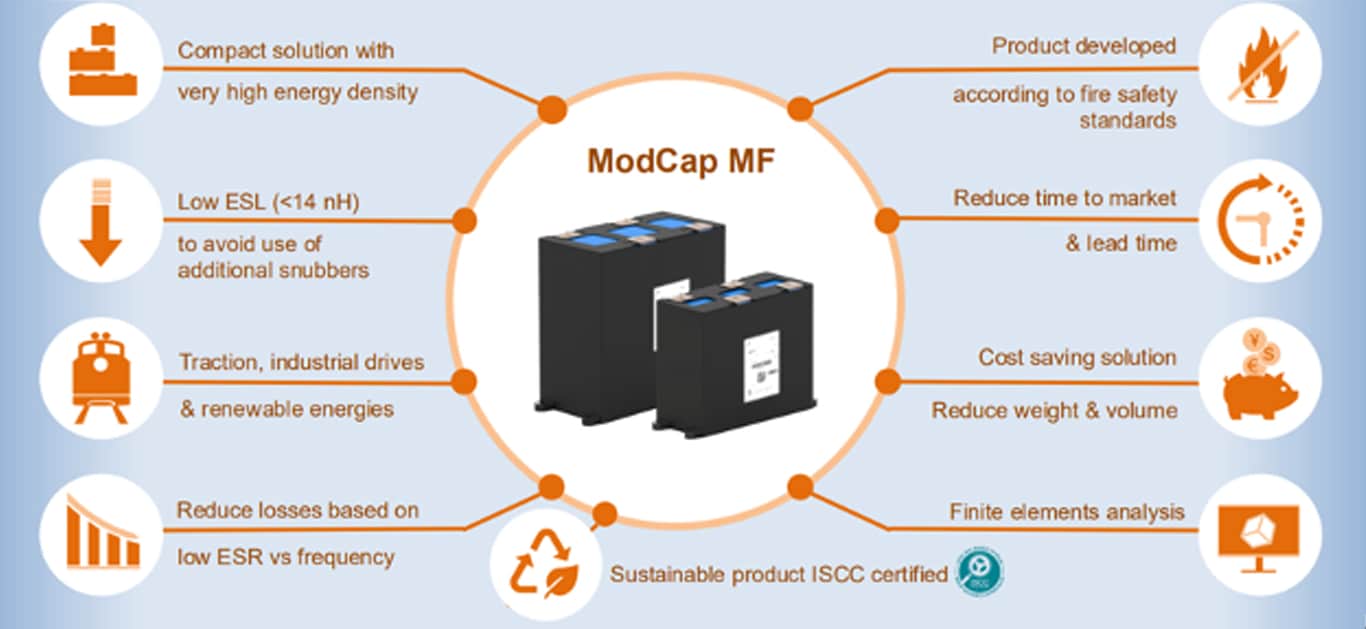
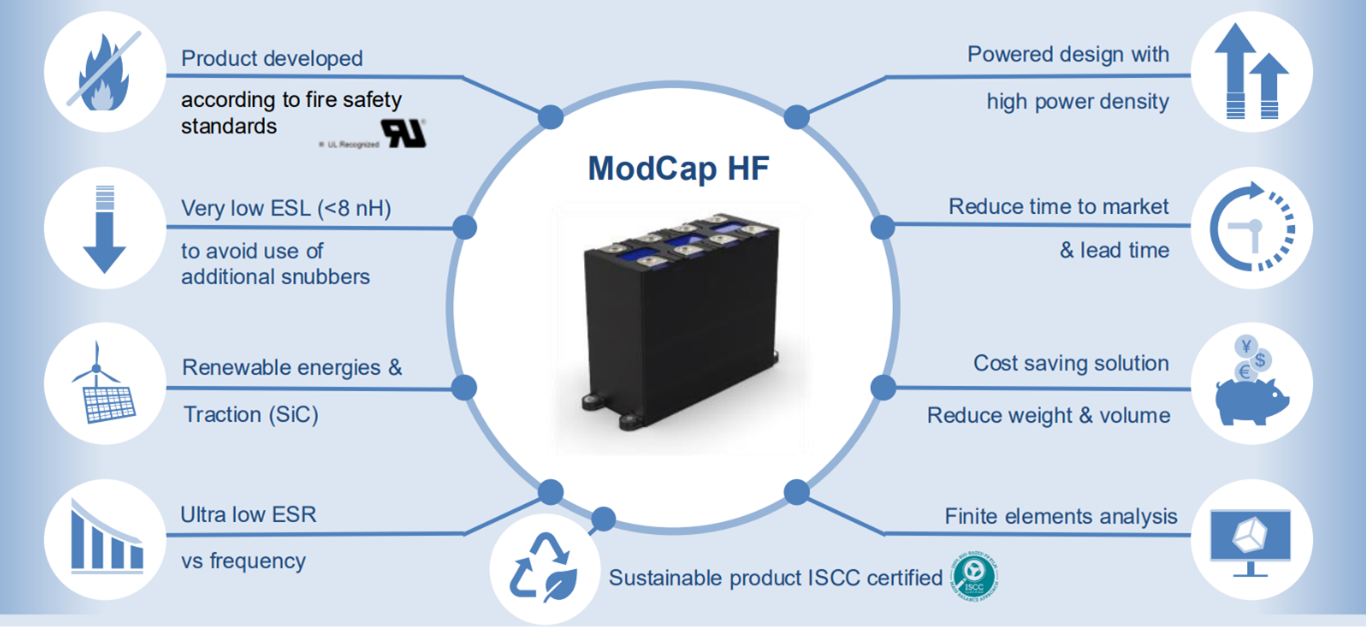
Modern capacitors offer high-frequency operation, low stray inductance, and biocircular films to enhance efficiency and sustainability in industrial automation systems.
Modern industrial automation systems are pushing the limits of power management. These applications demand higher efficiency, reliability, and compactness to meet growing performance expectations—and these requirements can stress the DC link circuits found in applications such as motor drives and robotics.
DC link circuits stabilize the voltage between the rectifier and inverter power conversion stages. They are essential in energy storage and filtering, providing stability and reducing voltage ripples that could otherwise lead to power losses or damage to sensitive components.
However, traditional capacitor designs used in DC link circuits often struggle to meet the demands of modern industrial applications. They may display excessive stray inductance and limited thermal dissipation, requiring additional components like heat sinks or cooling mechanisms to ensure system stability and reliability. These issues can result in higher system costs, increased complexity, and reduced overall efficiency.


Article • 7 minute read
Using Functional Films for Industrial Energy Conservation
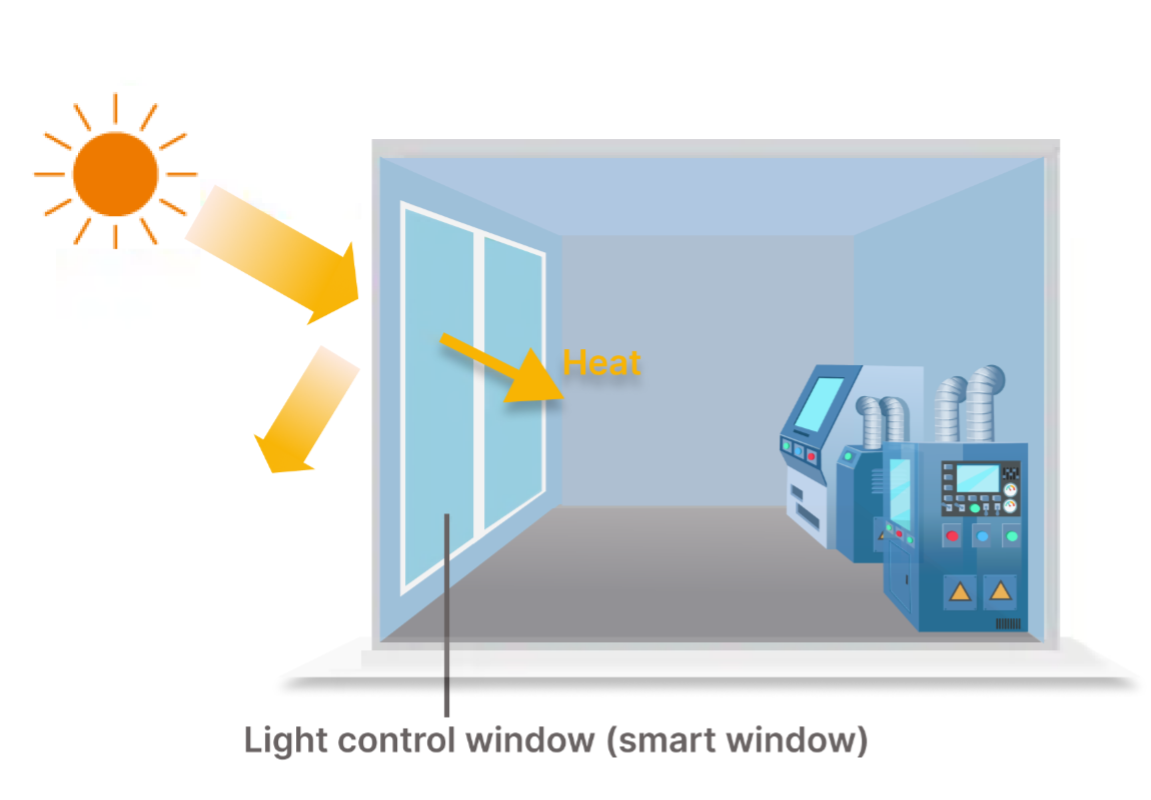
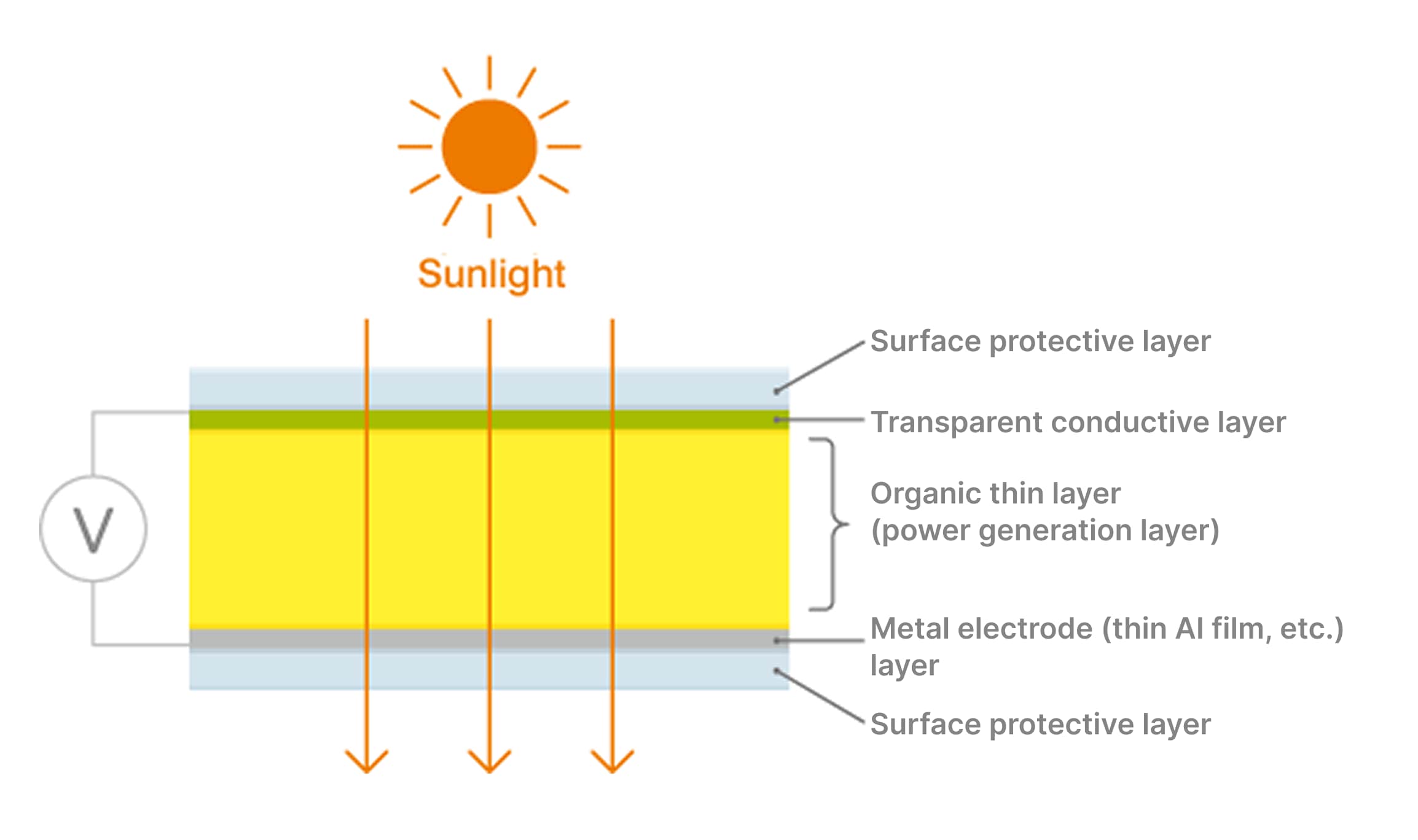
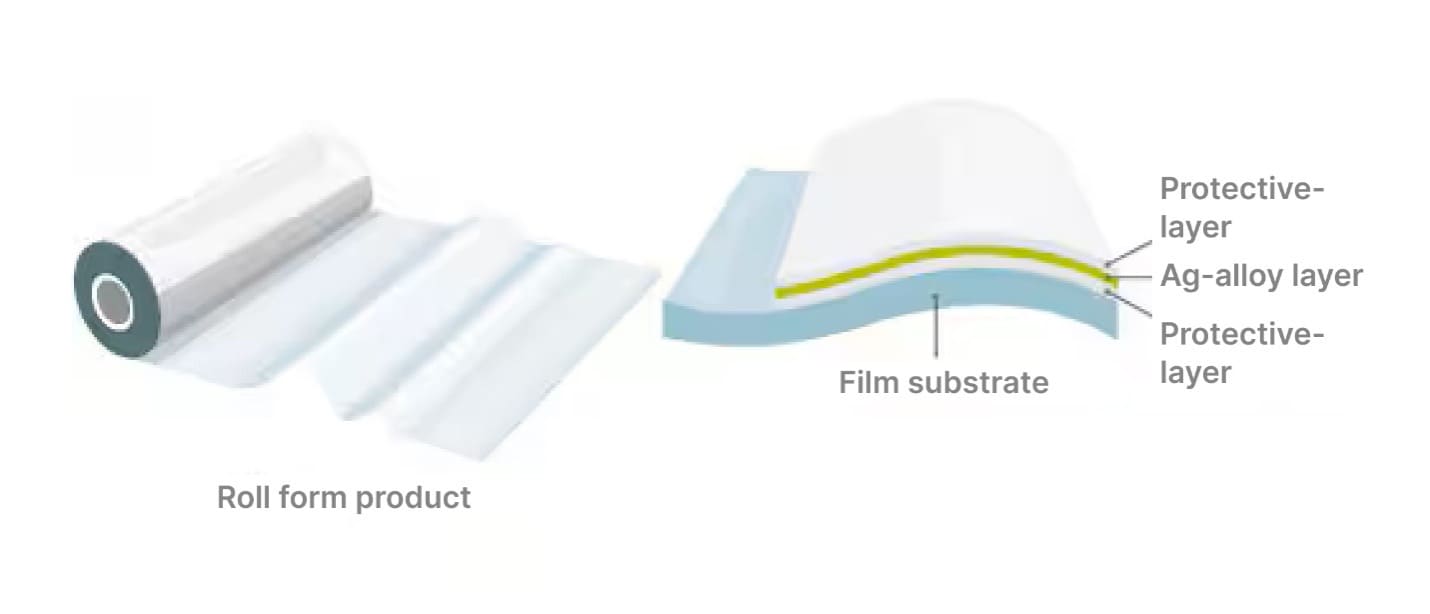
Functional films like TDK’s Ag-stacked transparent conductive film help conserve energy in industrial settings through smart windows, OPVs, and EL lighting.
As businesses prioritize energy efficiency and responsible energy usage in response to global regulations and sustainability targets, the materials that drive innovation in optimizing energy usage are becoming more crucial. Reducing industrial greenhouse gas emissions through energy conservation efforts in industrial settings is a primary focus in achieving these goals.
Functional films, such as transparent electrically conductive films, help transform how industries manage energy consumption. One of the most groundbreaking advancements in this area is TDK’s silver (Ag)-stacked transparent conductive film, which enhances energy conservation efforts by multiple means in various industrial applications.
This article will explore how functional films support sustainable industrial practices, emphasizing their superior features, key benefits, and diverse applications, including smart windows, organic photovoltaic (OPV) cells, and organic electroluminescent (EL) lighting. We’ll also examine the films’ role in promoting Zero-Energy Buildings (ZEB) and how these advancements contribute to a more sustainable industrial future.

Video
FleClear: TDK’s Transparent Conductive Ag Film
Join host Amelia Dalton to learn all the uses for FleClear technology in this discussion.
Article • 6 minute read
Monitoring Machinery Temperature
Ensuring Optimal Performance and Preventing Overheating
Monitoring machinery temperature ensures optimal performance, prevents overheating, and extends the lifespan of industrial systems and equipment.
Nearly all industrial and machine equipment consists of actuators, electrical and internal combustion engine (ICE) motors, bearings, hydraulic pumps and links, pneumatics, compressors, or other systems with moving powers, power generation, or energy storage/transfer. All these technologies have a range of operating temperatures in which they function at peak efficiency, and outside that operating range are extremely high and low temperatures where any number of system features may fail. Depending on the size and complexity of modern industrial machinery, failure could result in unacceptable losses from downtime during repair or even threaten employee safety.
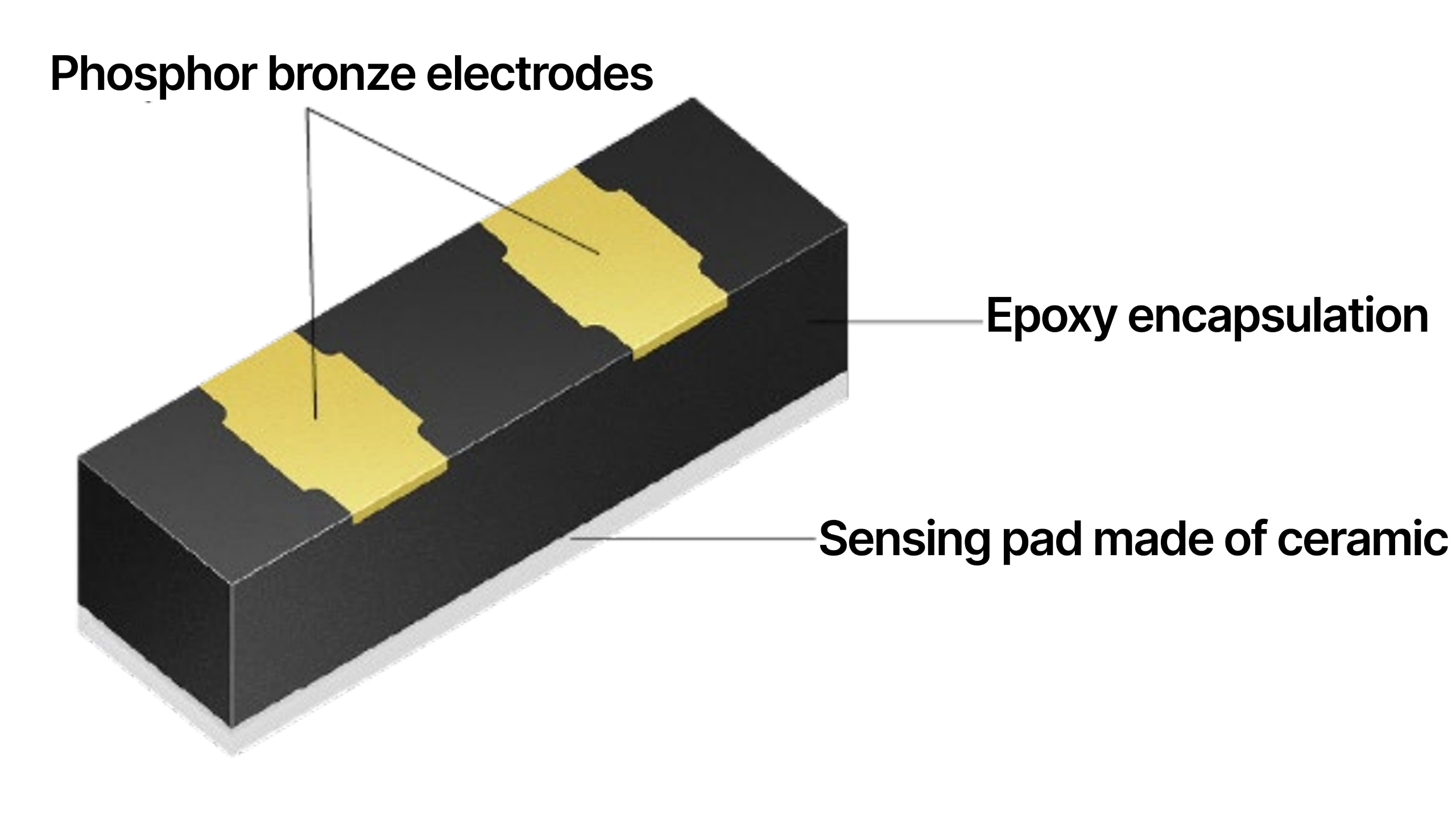
Operating temperatures that deviate from optimal levels, even within the allowable range, may also shorten the system's life or require a modified maintenance schedule to ensure operation. As such, these technologies require thermal management control systems to monitor temperatures continuously. For example, a module containing a thermal sensor—mounted on a heat sink with active fan cooling—automatically adjusts RPMs depending on the temperature of the power electronics components.


Article • 6 minute read
Haptic Feedback: Revolutionizing Robotics
Elevating Industrial Automation with Haptic Feedback for Enhanced Robotic Performance
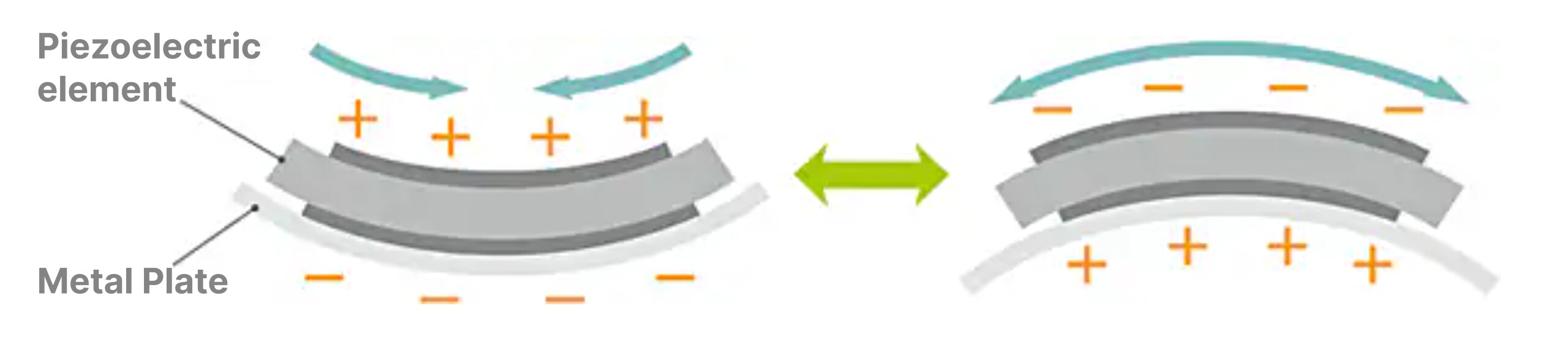
Explore how haptic feedback and piezoelectric technology are transforming industrial automation, enhancing precision, safety, and robotic control.
Many people think of haptic technology as it relates to gaming or augmented reality (AR) and virtual reality (VR). These haptic sensors and actuators are used predominately to provide feedback and power systems for users to experience touch and force sensations lacking in virtual environments. However, haptic technology has a wide range of industrial uses. An example of this is using the principles of haptics to enhance precision, safety, and robotics/automation technology. From enhancing human-robotic interactions to training machine learning (ML) and artificial intelligence (AI) algorithms for machine control, haptic technology is positioned to provide greater depth to industrial robotics and automation through greater awareness of vibration and force in various applications.
What Is Haptics?
Haptics is an expansive field of study that covers the sensations of physical touch and human interactions with physical objects. There are many subcategories of haptic technology, the main two being tactile and kinesthetic. Tactile haptics applies to spatial and non-spatial physical interactions relating to texture, ambient forces, edges, and shape. Kinesthetics apply to the sense of perceived density and momentum of objects. Haptic technology is key to unlocking more realistic and responsive virtual environments and interaction with human-machine interfaces. These technologies range from rumble-enabled controllers and sonic transducers that vibrate a user's chair to more advanced suits and gloves that impart details of a virtual environment to a user.


Article • 7 minute read
Advanced Passives Enabling Next-Generation Power-Electronic Designs
Innovative passive components have an essential role in the design of compact and efficient power-related electronics.
Advanced power devices like silicon-carbide (SiC) switches are getting a lot of attention, and for good reason. Their greatly improved performance in parameters such as on-resistance, operating voltages, and thermal capabilities make them the power component of choice for many new designs. At the same time, even older silicon MOSFETs and IGBTs haven't gone away, as power devices of all types are being managed more effectively in many designs.
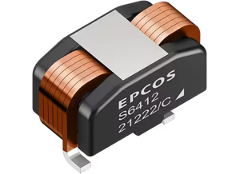
But—and it's an important but—many of these designs, regardless of their active devices, also depend on enhanced and improved power-related passive components such as inductors, capacitors, and even temperature sensors to enable the desired performance and do so in smaller, more efficient, and more effective packages. These enhanced components rely on advances in basic materials, component design, and manufacturing techniques to provide step increases in capabilities.
These passive components may not receive the same level of attention as active ones, but they play an essential role in enabling the final product to meet challenging objectives. They can even enhance new designs that rely on more mature technologies to drive improved performance or size in modest yet discernible amounts.